You’ve probably heard the terms “UI” and “UX” thrown around in conversations about websites and apps. Maybe you’ve used them interchangeably, or perhaps you’re not entirely sure what each one means. The truth is, while they are closely related and often work together, they are two distinct and crucial aspects of product design. Understanding the difference between them is key to building a successful, user-friendly product that not only looks great but also works flawlessly.
What is UI?
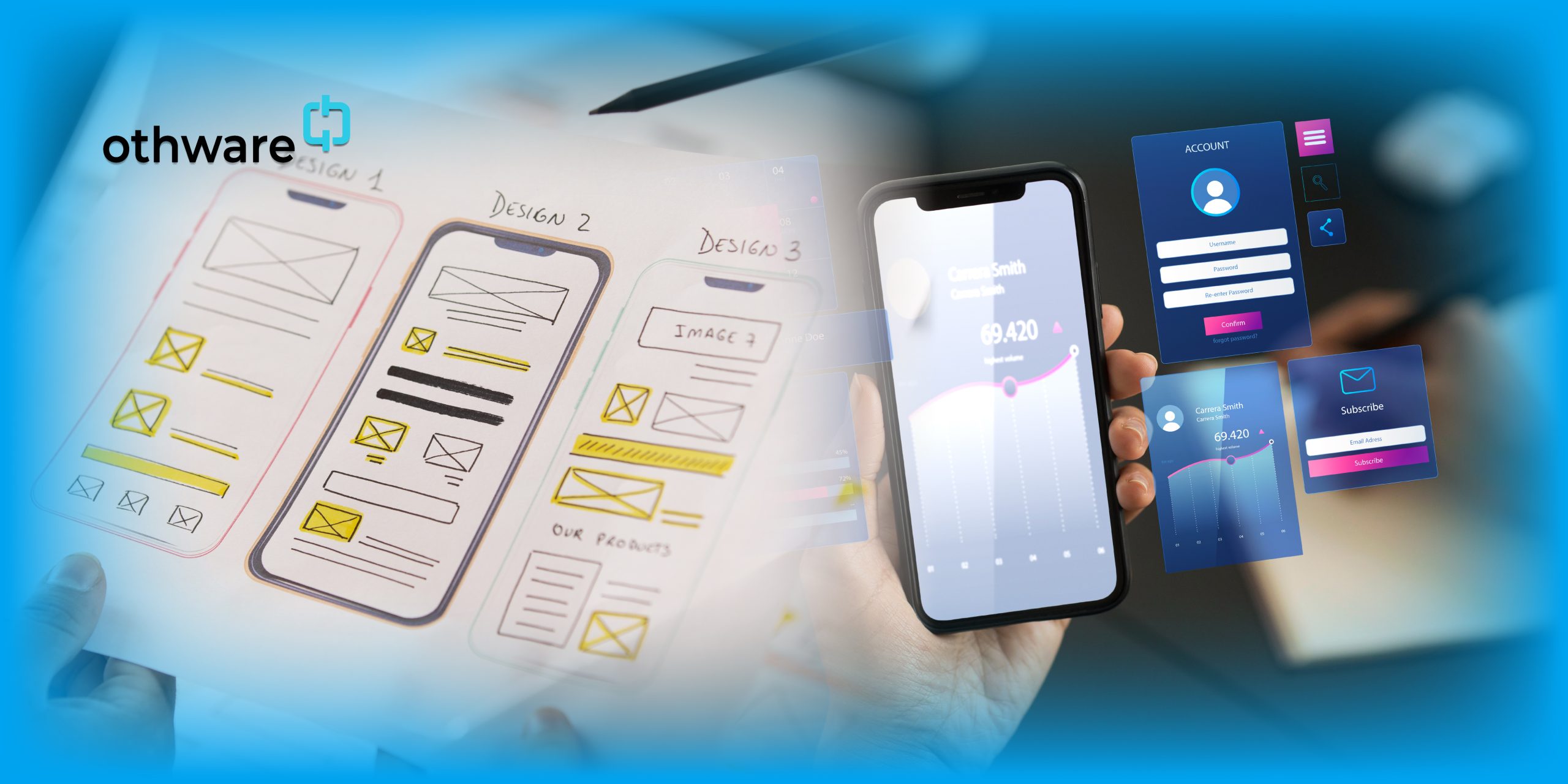
UI stands for User Interface. Think of it as the visual layer of your product. UI is everything a user sees and interacts with directly. It is the aesthetic, the presentation, and the interactive elements that make up the product’s appearance. Key elements of UI design include visual design, interactive elements like buttons, icons, sliders, checkboxes, and other controls that users click, tap, or swipe, layout, and responsiveness.
A good UI is about making the product look appealing and professional. It’s about creating a visually consistent and intuitive layout that guides the user’s eye and makes them feel comfortable using the product, regardless of their tech savviness. A great UI designer is a meticulous artist who obsesses over pixels, spacing, and color palettes to create a beautiful and cohesive experience. They are extremely sensitive to local aesthetics and visual preferences.
What is UX?
UX stands for User Experience and is a much broader concept than UI. It isn’t just about what the product looks like; it’s about how the user feels and thinks while interacting with it. It encompasses the entire journey a user takes, from their first encounter with the product to their last. Key elements of UX design include user research, information architecture, usability, and interaction design.
A good UX makes your product useful, accessible, and enjoyable. Great UX designers are problem-solvers who really get to know local users and their needs. They put themselves in the user’s place and ask questions like: Is this easy for someone with limited internet? Is it simple to navigate? Does it solve the user’s problem well? Is the experience pleasant?
Why Both UI and UX Matter
UI and UX are two sides of the same coin. You can’t have a truly successful product with just one. A beautiful interface (great UI) with a confusing, frustrating workflow (poor UX) will quickly drive users away. A visually stunning app that is difficult to navigate, constantly crashes, and does not support common payment methods like MTN or Airtel Money might catch a user’s eye initially, but the frustration will quickly lead to uninstallation and unfavourable word-of-mouth.
On the other hand, a functional product with a poor and or outdated interface can struggle to build trust and credibility. People are often quick to judge a product by its cover. If it looks unprofessional, they might assume it’s unreliable or difficult to use, even if the underlying experience is fantastic. Your product then struggles to compete with a competitor that, while offering similar functionality, presents itself with a modern, clean design.
Great products happen when UI and UX work together. UX designers start by learning what users need and planning the user journey. Then, UI designers turn that plan into an interface that looks good and is easy to use. Both roles are needed to make a product that people enjoy. If one is missing, the product will struggle.
The Bottom Line
For tech companies and entrepreneurs in Uganda, investing in both UI and UX is essential. The best products combine both. UI and UX help you build products that are relevant, trustworthy, and successful in today’s fast-changing digital world.
At Othware Uganda, we specialize in custom IT services and solutions built specifically for your business. Whether it’s bespoke software development services, M&E software, API development, UI/UX design, MIS or ERP systems, mobile applications (Android and iOS), web applications, desktop applications or internet of things we have done it all. Our software development services can be deployed on premises or on the cloud depending on your needs.
Schedule a session with Othware today.

Preta is a lawyer with over five years of experience in writing, editing, and research. She specializes in the intersection of technology, policy, economics, politics, and gender. She is a 2025 Free Market Fellow, a 2022 Lead(H)er Fellow, and a 2021 African Liberty Writing Fellow. Her work has been featured in prominent publications such as The Daily Monitor, The New Vision, Qiraat Africa, The Rational Standard, and others.