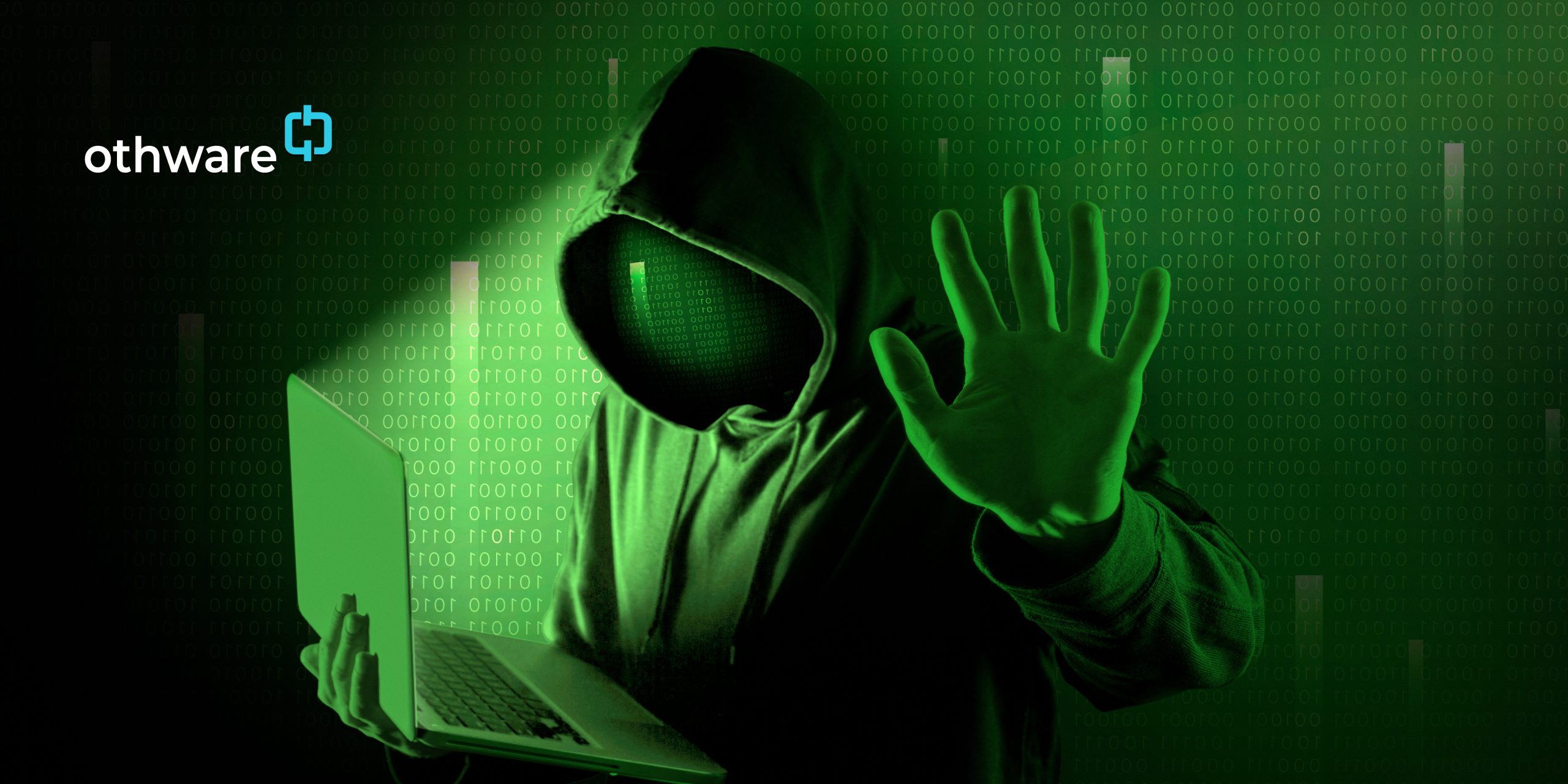
In today’s interconnected world, cyber threats are a constant concern for individuals and businesses alike. From sophisticated hacking attempts to everyday scams, the digital landscape is filled with dangers. As more individuals and businesses embrace online services and mobile technology, cybercriminals are finding new avenues for exploitation.
Understanding the most common threats and implementing preventative measures greatly reduces risk. Strong cybersecurity practices are essential for protecting your digital life and assets. Below are some of the top cyber threats in Uganda, along with practical steps to safeguard yourself.
Phishing Attacks
Phishing remains one of the most widespread and effective cyber threats. It involves tricking individuals into revealing sensitive information, such as passwords, credit card numbers, or personal data, by impersonating a trustworthy entity. Phishing attacks often arrive via email, text messages, or even social media, using urgent language, fake alerts, or enticing offers to prompt quick action. The rise of AI tools is making these scams even more convincing.
Read more: Best Cybersecurity Practices to Protect Your Business in 2024
Always approach unsolicited emails or messages with caution, especially those that demand urgent action or contain suspicious links. If you are unsure about an email’s legitimacy, avoid clicking on links and visit the official website directly to verify the source. Watch for red flags such as poor grammar, spelling errors, generic greetings, and unusual sender addresses, which are common signs of phishing attempts.
Malware
Malware (malicious software) includes a wide range of harmful programs, including viruses, worms, spyware, and adware. These programs can infect your computer or mobile devices, disrupt operations, steal data, or even gain control of your system. Ransomware, a particularly nasty form of malware, encrypts your files and demands a ransom for their release.
Installing and updating antivirus software is your first line of defense. Ensure your software is always up-to-date and set to scan regularly. Software updates often include crucial security patches that fix vulnerabilities exploited by malware. Enable automatic updates whenever possible and only download software, apps, and files from trusted and legitimate sources. Additionally, scanning external devices like USB drives before using them prevents potential malware from infecting your system.
Weak Passwords
Many cyberattacks succeed simply because individuals use weak, easily guessable, or reused passwords. Passwords such as “123456” or “password” are still quite common. Once a hacker gains access to one account with a weak password, they will try to use those same credentials on other platforms. This is referred to as credential stuffing.
Create strong and unique passwords to guard against cyber threats. Aim for passwords that are at least 12-16 characters long, combining uppercase and lowercase letters, numbers, and special characters. Avoid using personal information, common words, or sequences. A password manager is the most effective way to manage complex, unique passwords for all your accounts. A good password manager generates strong passwords, stores them securely, and can even auto-fill them for you.
Furthermore, enabling Multi-Factor Authentication (MFA) adds a critical layer of security to your digital accounts. MFA requires you to provide two or more verification factors, such as a password or code to gain access to an account. Even if your password is compromised, the attacker will be unable to access your account without the second factor. Do not share your passwords with anyone and avoid sending them via insecure channels like email or instant messaging.
Insecure Wi-Fi Networks
While public Wi-Fi networks might be convenient, they are often unsecured. This makes it easy for cybercriminals to intercept your data. Even your home or office Wi-Fi can be vulnerable if not properly configured.
Read more: Cyber Resilience: Preparing for future Cyber Threats in Uganda
Encrypt your home Wi-Fi by ensuring your router uses WPA2 Personal or WPA3 Personal encryption and avoid older and less secure protocols like WEP or WPA. Change the default administrative username and password for your router. These are often generic and publicly known and make your internet network insecure. Keep your router firmware updated by checking your router manufacturer’s website for firmware updates, which often include security enhancements. Additionally, using a VPN encrypts your internet traffic, protecting your data when using unsecured public Wi-Fi hotspots.
Final Verdict: Stay Secure
Cybersecurity is an ongoing process, not a one-time fix. New threats emerge constantly, so it’s essential to stay informed and adapt your defenses. By adopting these best practices, you’ll significantly strengthen your resilience against common cyber threats and enjoy a safer online experience.
At Othware Uganda, we specialize in custom IT services and solutions built specifically for your business. We help customers meet their cyber security challenges. Let us be an extension of your team, train your team, protect your systems, and build your capacity to defend against increasing cyber-attacks. Our holistic approach to securing your network incorporates several trusted and customisable technologies you will love.
Schedule a session with Othware today.

Preta is a lawyer with over five years of experience in writing, editing, and research. She specializes in the intersection of technology, policy, economics, politics, and gender. She is a 2025 Free Market Fellow, a 2022 Lead(H)er Fellow, and a 2021 African Liberty Writing Fellow. Her work has been featured in prominent publications such as The Daily Monitor, The New Vision, Qiraat Africa, The Rational Standard, and others.